Is Fruit Juice Ever Okay? A Guide for Real Life
If you pay attention to modern health trends, you’ve likely heard two completely opposite opinions about fruit juice:
-
The Conventional View: A big glass of orange juice every morning is an essential source of Vitamin C and part of a balanced breakfast.
-
The Biohacking View: Juice is liquid poison—essentially no different than a can of soda, driving fatty liver disease and insulin spikes.
As a clinical doctor, I see patients caught in the middle of these extremes all the time. The truth is far more practical: fruit juice is neither an absolute health elixir nor an absolute villain. Whether it helps or hurts your body depends entirely on your metabolic health, the physical form of the fruit, and the context in which you drink it.
What Happens When You Strip Away the Fiber Matrix?
To understand juice, we have to look at what happens when you remove a fruit’s physical structure.
In our previous article on why fiber quality matters for inflammation, we discussed how intact plant fiber acts as a natural brake on digestion. When you eat a whole apple or orange, you aren’t just consuming fructose—you are consuming a complex web of soluble and insoluble fiber.
That intact fiber matrix acts as a biological speed bump:
-
-
Slows Gastric Emptying: It controls the rate at which carbohydrates enter your small intestine.
-
Protects the Liver: By slowing fructose absorption, it prevents a sudden “fructose overwhelm” in your portal vein.
-
Triggers Satiety Signals: Chewing and processing fiber signals your brain that you’ve eaten real food.
-
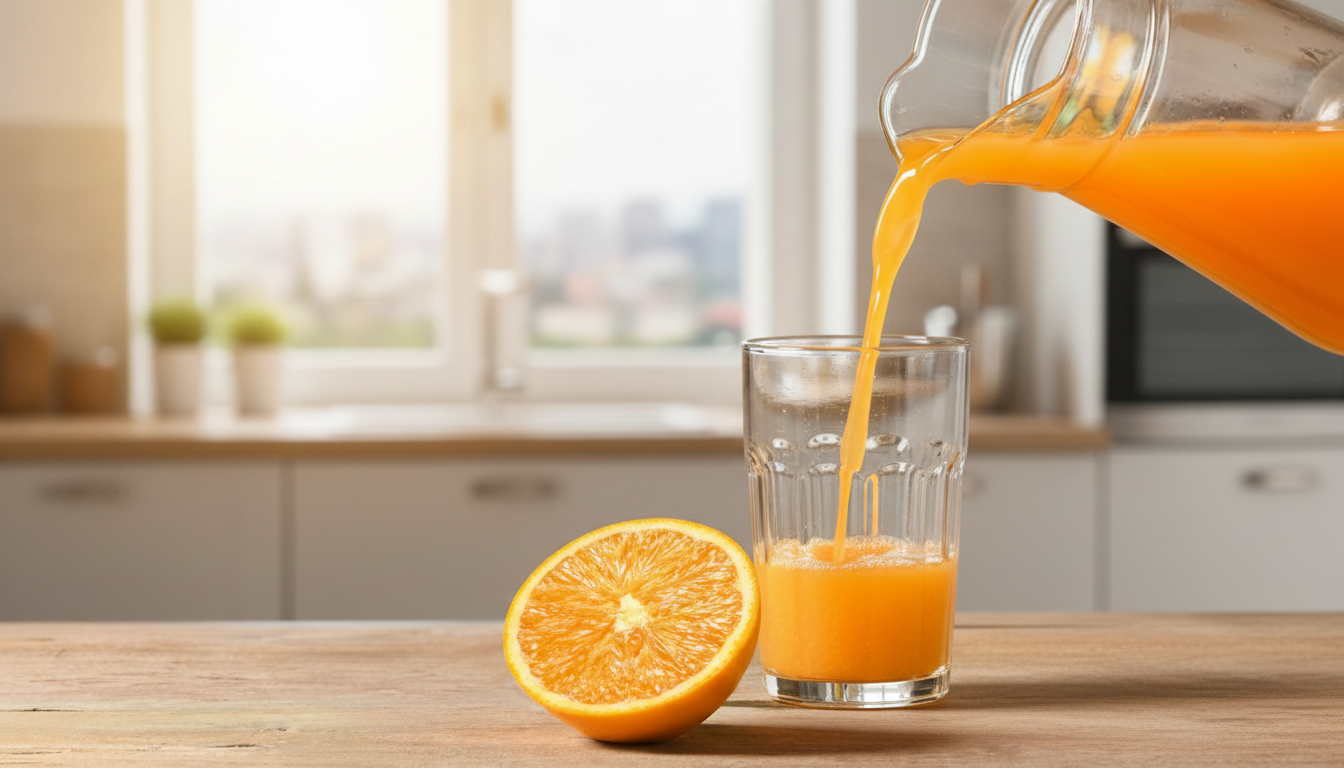
When you extract only the liquid, that protective speed bump vanishes. A single 12-ounce glass of orange juice contains the concentrated fructose of 3 to 4 whole oranges, but you can drink it in 30 seconds without feeling full.
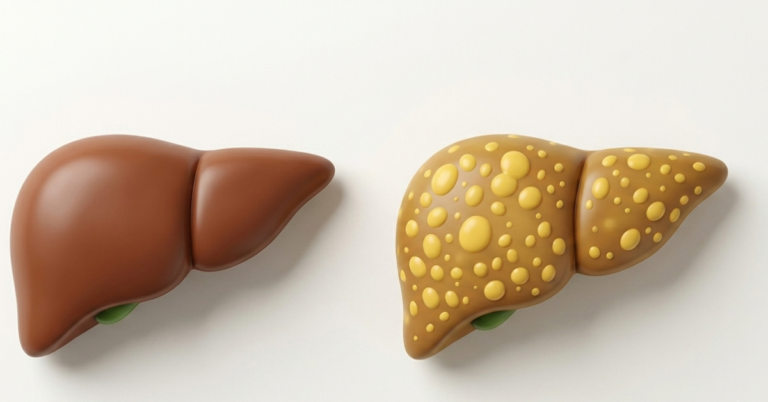
When your liver is flooded with rapid, unbound fructose, it converts the excess directly into triglycerides through a process called de novo lipogenesis. Over time, this quiet process can drive non-alcoholic fatty liver disease (NAFLD), elevated triglycerides, and insulin resistance.
3 Times Fruit Juice Is Not Doing You Favors
If you are trying to calm systemic inflammation or balance your metabolic health, avoid drinking juice under these three common conditions:
-
On an Empty Stomach First Thing in the Morning: Drinking liquid sugar on a fasting stomach causes a steep glucose and insulin spike, often followed by a mid-morning energy crash and intense carbohydrate cravings.
-
As a Daily “Hydration” Habit: If you sit at a desk most of the day, your muscle glycogen stores are already full. Fast-acting liquid carbs have nowhere to go except your liver for fat storage.
-
Drinking Shelf-Stable, Concentrated Juices: Store-bought juices sitting in clear plastic bottles have usually been heat-pasteurized and stripped of their natural enzymes and volatile antioxidants, leaving behind concentrated sugar water.
The Nuance: When Fruit Juice Can Work
Does this mean you should never touch juice again? Absolutely not. Medicine should be practical, contextual, and merciful.
There are specific real-world scenarios where juice can serve a functional purpose:
1. The Post-Workout Recovery Window
During intense, prolonged exercise, your muscles deplete their stored glycogen. Drinking a small glass of high-antioxidant juice (like tart cherry or pomegranate juice) immediately after a strenuous workout quickly replenishes muscle glycogen and provides polyphenols that reduce exercise-induced oxidative stress.
2. As a Culinary Flavor Enhancer
A splash of freshly squeezed lemon, lime, or grapefruit juice over leafy greens or fish adds flavor and provides Vitamin C—which increases non-heme iron absorption from plants by up to 300%—without triggering a systemic blood sugar spike.
3. As Targeted Botanical Medicine
Small, concentrated doses of specific unsweetened juices offer therapeutic benefits:
-
Pure Tart Cherry Juice: High in natural melatonin and anthocyanins to support restful sleep and lower serum uric acid (helpful for gout).
-
Pure Cranberry Juice (Unsweetened): Contains proanthocyanidins (PACs) that prevent E. coli bacteria from adhering to the bladder wall.
3 “Real Life” Rules for Drinking Juice
If you enjoy juice and want to include it without disrupting your blood sugar or liver health, follow these clinical guidelines:
-
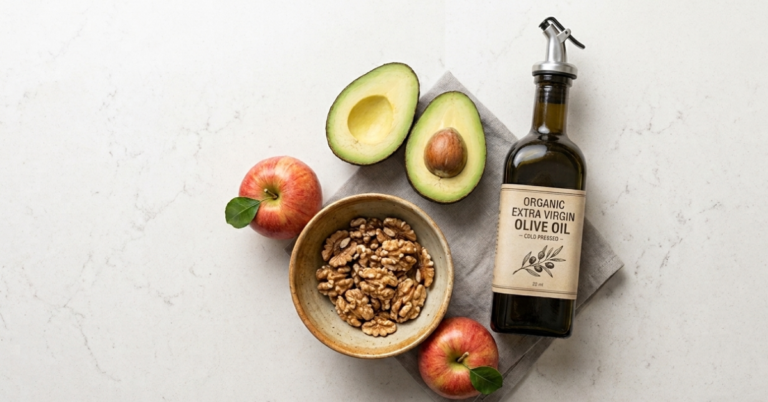
Rule 1: Never Drink It Solo. Always pair juice with a meal containing protein, healthy fats, or dietary fiber (e.g., eggs, avocado, or raw nuts) to buffer the absorption rate.
-
Rule 2: Cut It 50/50 with Sparkling Water. You get 100% of the flavor and antioxidants with half the glycemic load.
-
Rule 3: Prioritize Whole Fruit First. Eat the orange, chew the berries, or slice the apple. Nature packaged the fructose with its own antidote: fiber.
Finally
Fruit juice isn’t toxic poison, but it isn’t a health food either—it’s a concentrated, fast-acting carbohydrate. Respect how your liver processes liquid fructose, use it strategically when your body needs quick energy or targeted nutrients, and rely on real, intact fruit as your primary choice.