Quick Answer: Many popular “healthy” breakfasts—granola, fruit smoothies, and fruit juices—consist primarily of fast-digesting carbohydrates with minimal protein, fat, or fiber to buffer them. As a result, they spike blood sugar and insulin almost as rapidly as soda. Pairing carbohydrates with protein, healthy fats, and viscous fiber changes the pace of digestion, blunting the spike and sustaining your energy.
Have you ever eaten what felt like a virtuous breakfast—a bowl of granola, a glass of fresh orange juice, or a homemade fruit smoothie—only to find yourself ravenous and unfocused by mid-morning?
This is a common clinical pattern, but it is not a failure of personal discipline. It is a biological consequence of how unbuffered carbohydrates interact with morning physiology.
“Healthy” Does Not Equal Insulin-Friendly
Food marketing frequently equates “natural” with “metabolically benign,” but your insulin response depends on biochemical delivery, not front-of-package messaging.
Granola, for instance, typically combines processed oats, dried fruits, and concentrated syrups. It delivers multiple fast-acting sugar sources in a single bowl.
Similarly, fruit juice strips away the structural fiber matrix, allowing rapid fructose and glucose absorption. Even a fruit smoothie without added protein or fat operates metabolically closer to a sweetened beverage than a balanced, sustaining meal.
Understanding Sugar Dynamics: Physiology over Fear
Recognizing these mechanisms is not about fearing fruit or imposing rigid rules on your morning routine.
Your body responds to the speed at which glucose enters the bloodstream. A glycemic surge occurs whether the sugar originates from a confection or an unbuffered “health food.”
The goal is not to eliminate carbohydrates, but to manage their entry rate into systemic circulation through proper macronutrient buffering.
Why Mornings Amplify Blood Sugar Sensitivity
In the early morning hours, your neuroendocrine system naturally elevates cortisol and growth hormone to mobilize energy—a normal physiological mechanism known as the dawn phenomenon.
Because elevated morning cortisol temporarily reduces peripheral insulin sensitivity, your metabolism is inherently less equipped to clear a rapid carbohydrate load upon waking.
| Factor | Morning Metabolic Effect |
| Dawn Phenomenon | Cortisol elevates naturally, lowering baseline insulin sensitivity. |
| Fast-Carb Breakfast | Rapid gastric emptying causes a sharp glucose surge and high insulin demand. |
Consequently, unbuffered carbohydrates consumed first thing in the morning land on a system already working harder to maintain glycemic equilibrium.
The Physiology of Macronutrient Buffering
Protein, dietary fat, and viscous fiber physically slow gastric emptying and alter intestinal absorption kinetics.
By pacing how quickly chyme enters the duodenum, these macronutrients moderate the flow of glucose into the bloodstream, reducing the required acute insulin response from pancreatic beta cells.
| Breakfast Setup | Glycemic & Metabolic Impact |
| Carbs Alone | Rapid gastric emptying; triggers a steep spike and energy crash. |
| Carbs + Protein/Fat/Fiber | Delayed motility; promotes steady glucose absorption and lasting satiety. |
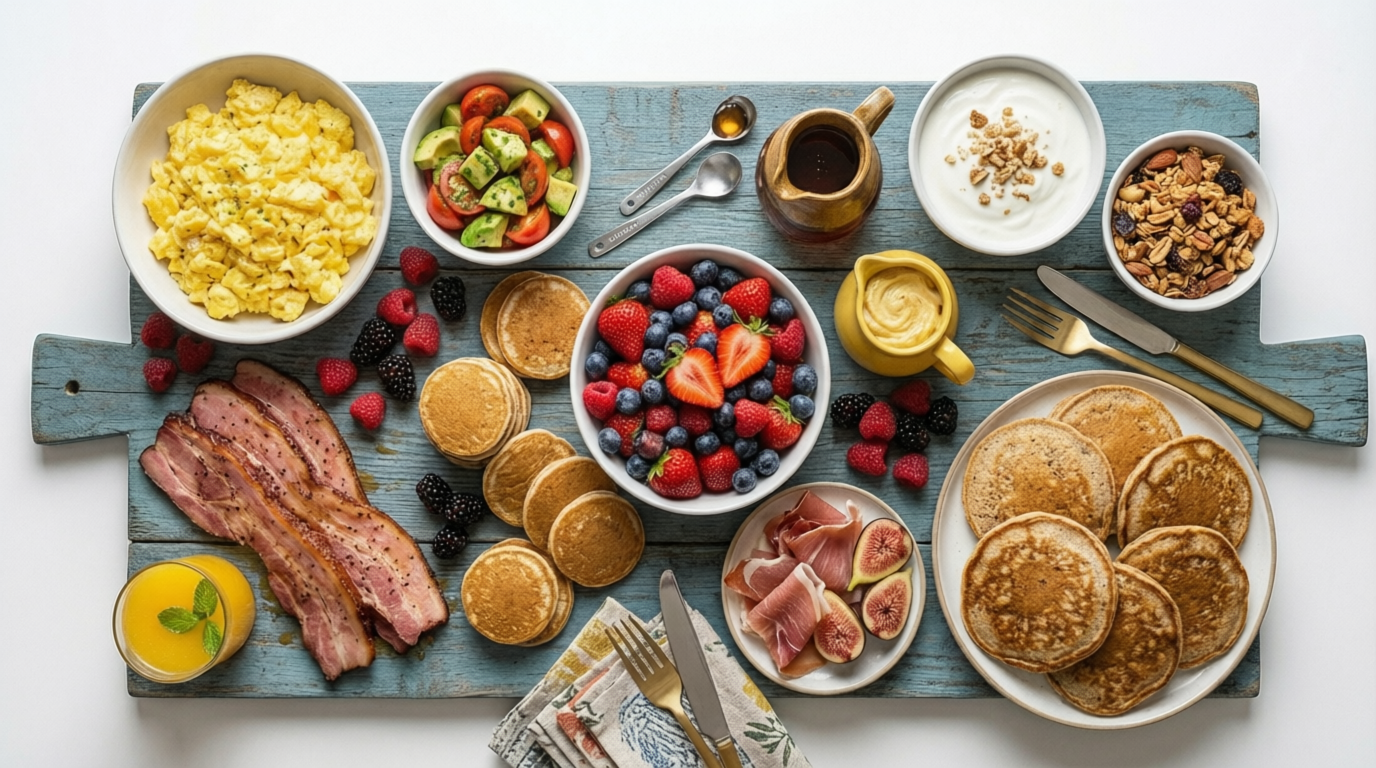
For example, granola eaten alone causes a rapid glucose curve. The same granola paired with full-fat Greek yogurt and raw walnuts creates a completely different, stabilized metabolic event.
The One Question to Ask Before Breakfast
In clinical practice, one of the most effective shifts is moving away from hyper-restrictive diet trends and focusing on intelligent pairing.
Instead of asking whether a carbohydrate source is strictly “healthy” or “forbidden,” ask a simpler, system-level question: “What am I pairing this with?”
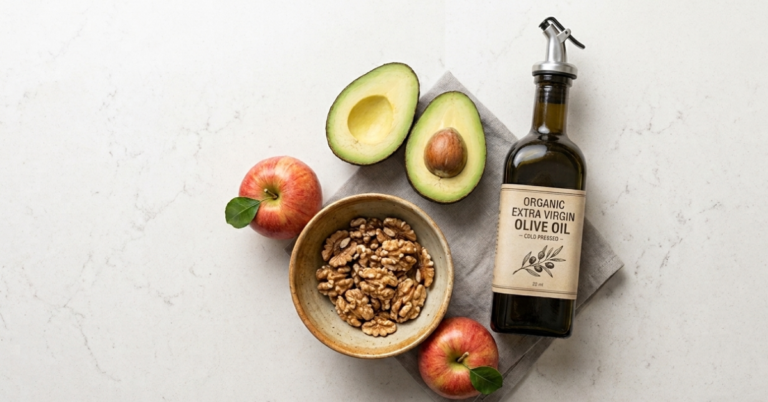
Adding a dedicated protein source, a quality fat, or intact fiber to your morning meal stabilizes your glycemic response, replacing mid-morning fatigue with steady focus and cellular energy.
In My Clinical Practice
When evaluating patients struggling with morning energy crashes, we rarely need to strip away every food they enjoy.
We focus on building a sustainable, resilient morning routine that stewards their energy wisely rather than working against their baseline biology.
You do not need a flawless diet overhaul. You simply need a structured morning routine that supports your physiology instead of quietly undermining it.
Frequently Asked Questions
Does fruit juice spike insulin similarly to soda? Yes. Without the natural fiber matrix found in whole fruit, liquid sugars in fruit juice enter portal circulation rapidly, triggering a swift insulin response similar to soda.
Is granola bad for metabolic health? Not inherently. However, when eaten alone, it acts as a fast-digesting carbohydrate. Pairing it with a quality protein (like Greek yogurt) and healthy fats (like nuts) significantly flattens the glycemic curve.
Why does breakfast impact blood sugar more than other meals? Due to the dawn phenomenon, morning cortisol levels are higher, naturally reducing insulin sensitivity. Fast-digesting carbohydrates eaten during this window create a larger glycemic response than they might later in the day.
What is the easiest way to make breakfast insulin-friendly? Avoid eating carbohydrates in isolation. Always pair them with protein, healthy fats, or viscous fiber to buffer gastric emptying and moderate glucose absorption.