I remember hearing someone once say: “People should eat fruit—and drink water.”
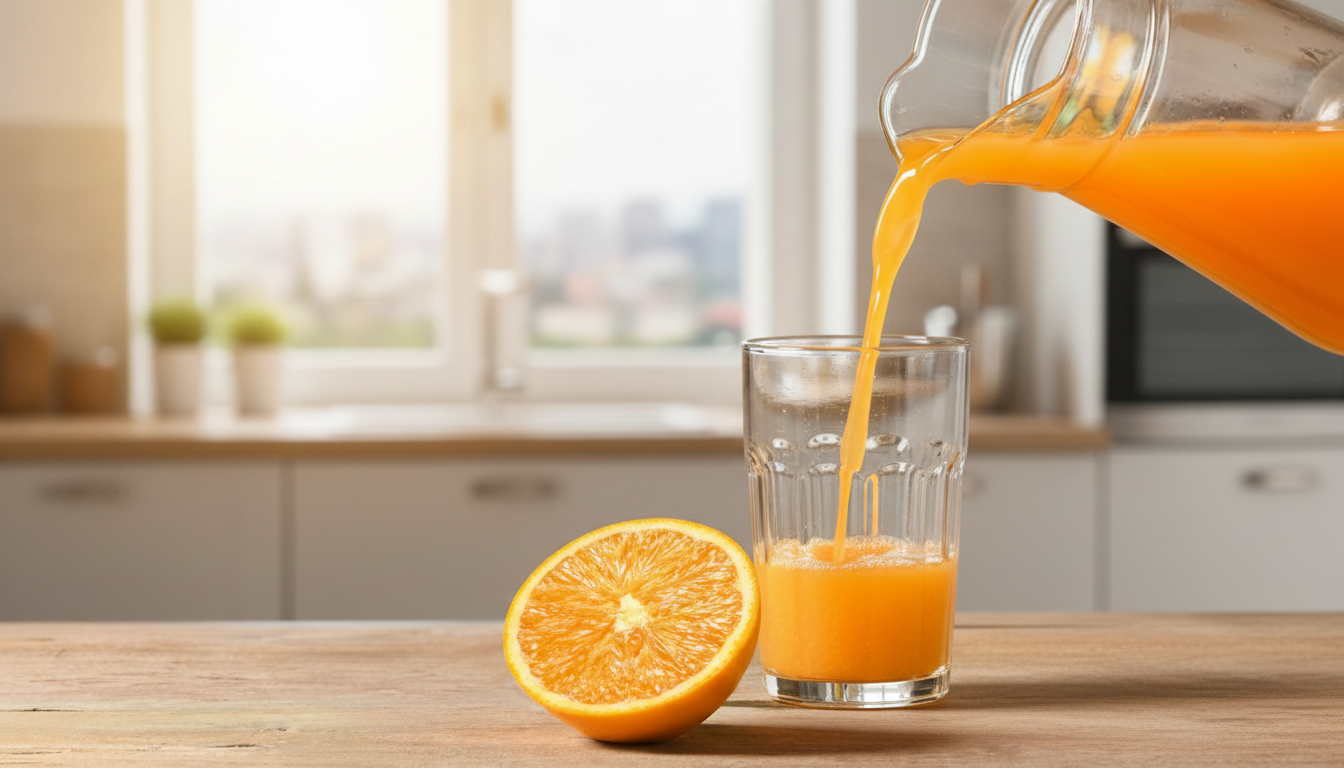
At the time, it sounded a little extreme. After all, isn’t fresh orange juice healthy? Doesn’t it have vitamins?
At the time, it sounded a little extreme. After all, isn’t fresh orange juice healthy? Doesn’t it have vitamins?
But over years of working with patients—and studying how food truly affects the body—I’ve come to see that advice not as a rule, but as wise guidance: whole fruit and water are the gold standard. Everything else depends on your body, your goals, and your habits.
So let’s talk honestly about fruit juice—not with fear, but with clarity and grace.
Not All “Juice” Is the Same
First, it helps to know there’s a big difference between:
- Store-bought “fruit drinks”—even the ones labeled “natural” or “no added sugar.” Many are stripped of fiber, packed with concentrated fruit sugars, and lack the natural balance of real food.
- Freshly squeezed juice at home, made from whole fruit, maybe with a bit of pulp, enjoyed occasionally.
The first acts more like a sugary drink than nourishment.
The second can fit into a balanced life—if used thoughtfully.
The second can fit into a balanced life—if used thoughtfully.
Why Whole Fruit Works Better
When you eat an apple, you’re not just getting natural sugar. You’re also getting:
- Fiber, which slows how fast that sugar enters your bloodstream
- Natural plant compounds that help calm inflammation
- Water and texture, which help you feel full and satisfied
But when you juice it, you remove most of that fiber—the very thing that protects your liver and keeps your energy stable. What’s left is a quick surge of sugar that your body has to manage all at once.
And research shows that when you regularly take in more than about 50 grams of this kind of sugar per day, your liver starts turning it into fat—even if you’re not overweight.
That’s why some people eat “clean,” avoid soda, and still struggle to lose weight or feel energized.
Your Body’s Context Matters
This is where grace comes in.
If you’re active, feel great, and enjoy a small glass of fresh-squeezed orange juice on Sunday mornings—you’re probably fine. Occasional use rarely causes harm.
But if you’re trying to lose weight, feel tired after meals, or have been told you have insulin resistance or fatty liver, even “healthy” juice might be quietly working against you. Why? Because that quick sugar load:
- Tells your liver to store fat instead of burn it
- Can keep your blood sugar and energy on a rollercoaster
- May feed low-grade inflammation over time
A Gentle Guideline for Real Life
Ask yourself a few simple questions:
- How often? Once a week is very different from every morning.
- What kind? A smoothie with whole fruit, greens, and nut butter is not the same as clear juice.
- With what? Having juice with a meal that includes protein or healthy fat softens its impact.
- Why? Are you using it to replace meals, soothe stress, or fill a gap?
If your goal is steady energy, reduced cravings, and sustainable weight loss, consider:
- Choosing whole fruit most of the time (berries, apples, citrus)
- Limiting juice to small amounts, occasionally (think 4 oz, not 16)
- Avoiding daily smoothies or juice cleanses while you’re working on metabolic healing
- Skipping added sweeteners—even “natural” ones like honey or agave